
Money Transfer Comparison · 26 video guides
Moving abroad? Start with the payments that can hold you up.
The deposit is due before your house sale completes. The mortgage is in euros, but your pension arrives in pounds. A supplier says the invoice is still short.
Start with the problem in front of you. These short videos explain what to check, what to ask and where to go into more detail.
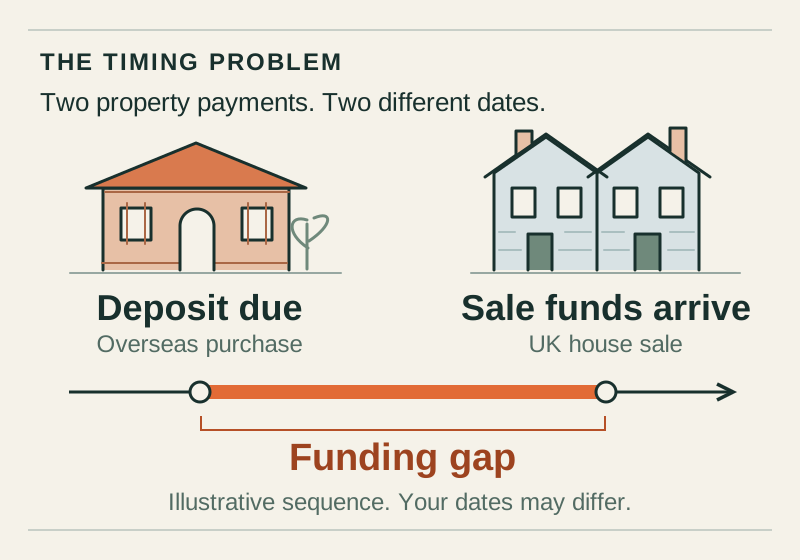
In this example, the deposit comes first and the sale proceeds arrive later. Put both dates on the same plan before committing to the payment.
Watch: selling and buying in the same monthWhat is holding you up?
One question. About half a minute. The explanation is on screen, so the videos work without sound. Each one links to a written guide.
Sources and examples01 Buying a home abroad
Plan the deposit separately from the final balance.
They can have different deadlines, recipients and payment methods. Keep the reservation, deposit, completion and later building work on separate lines of the plan.
Start with the property payment guideWatch 0134 seconds
How do I pay for a property abroad?
From the first deposit to completion, map out the payments before you choose how to send them.
Moving a large sum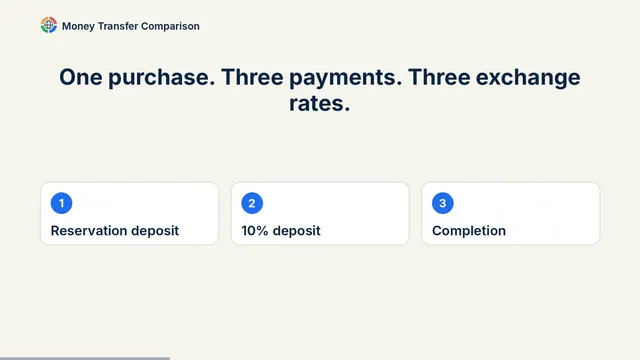 Play video0:34
Watch 0234 seconds
The house is €300,000. How much do I actually need?
Look beyond the price on the listing. Local costs, professional fees and the exchange rate all affect your budget.
Transfers from the UK to Spain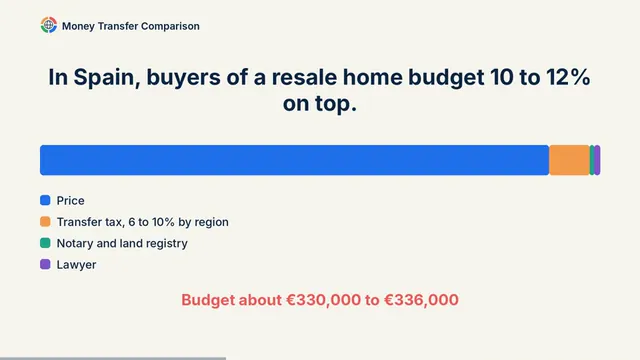 Play video0:34
Watch 0334 seconds
Why do non-residents need a bigger deposit?
Check what your lender needs from a buyer living abroad before deciding how much cash to move.
Transfers from the UK to Spain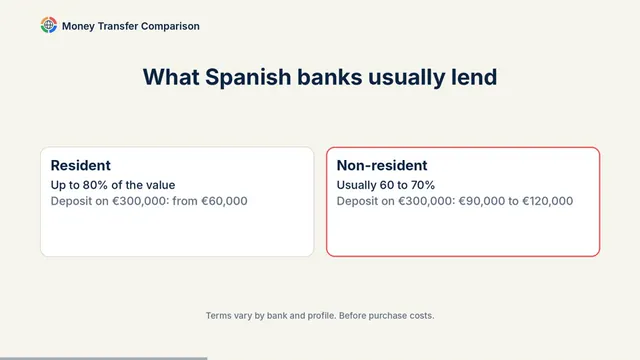 Play video0:34
Watch 0432 seconds
The deposit is due in 10 days. What do I do first?
Work backwards from the deadline, leaving time for account checks, funding and the final transfer.
Moving a large sum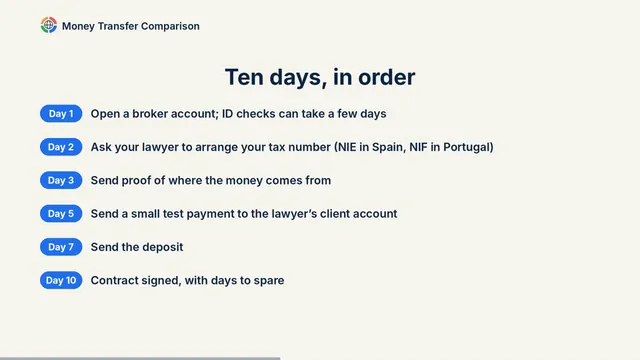 Play video0:32
Watch 0534 seconds
What is a forward contract and when should I fix a rate?
Understand what fixing an exchange rate means, including the commitment you make when you book.
Forward contracts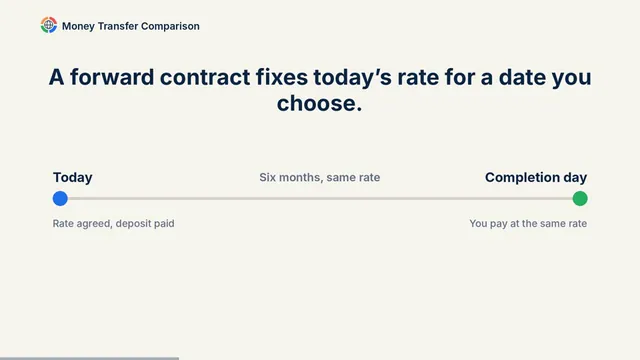 Play video0:34
Watch 0634 seconds
Completion is on Friday. Will the money be there?
Know who needs to receive the money, how they accept it and when it must arrive.
Transfers from the UK to Spain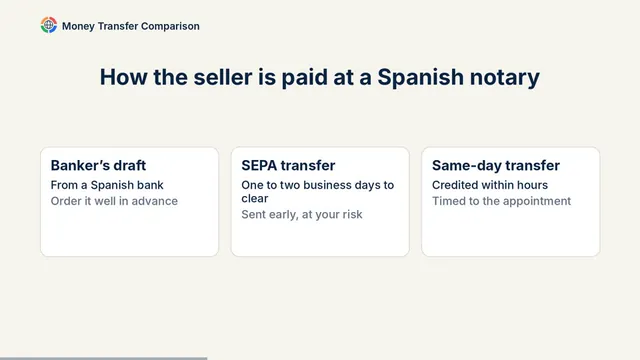 Play video0:34
Watch 0734 seconds
Selling in the UK and buying abroad in the same month?
Two completion dates and two currencies need a joined-up plan.
Forward contracts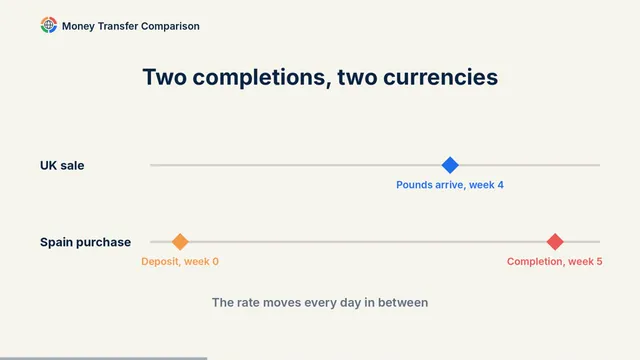 Play video0:34
Watch 0832 seconds
The builder quotes in euros. How do I budget in pounds?
A staged project can mean several currency conversions. Put the payment dates beside the building schedule.
Forward contracts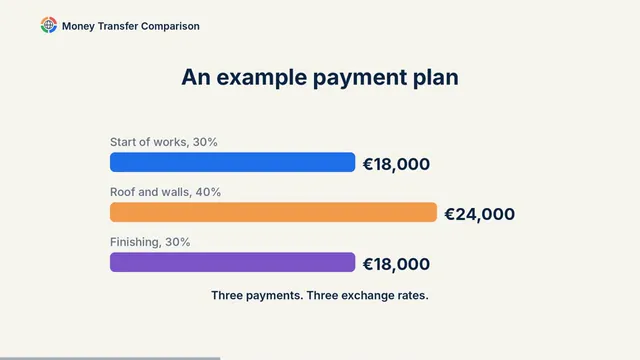 Play video0:32
Watch 0932 seconds
The keys are yours. What do you pay every month?
The purchase is only the beginning. Make room for regular bills in the currency of your new home.
Transfers from the UK to Spain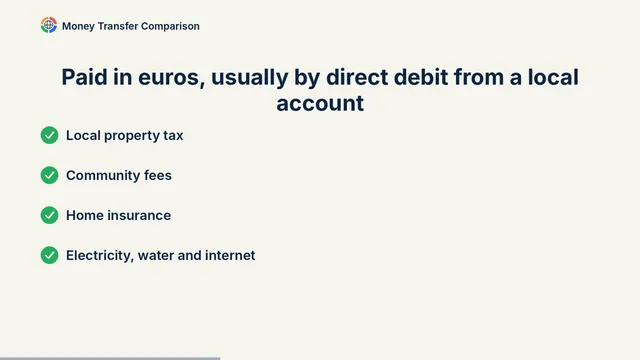 Play video0:32
Watch 1036 seconds
How do I move the proceeds of a house sale abroad?
Before the proceeds arrive, plan the transfer home and gather the documents that explain where the money came from.
Moving a large sum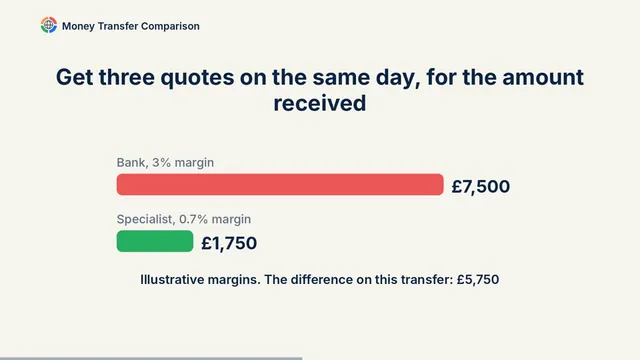 Play video0:36
02 Rates and fees
“No fee” does not tell you the total cost.
The exchange rate affects the result too. Compare quotes for the same payment, taken close together, and ask what happens to the amount between sending and arrival.
See how the rate changes the costWatch 0130 seconds
What does my bank really charge for an international transfer?
A transfer fee is only one part of the cost. Look at the exchange rate as well.
International bank transfer fees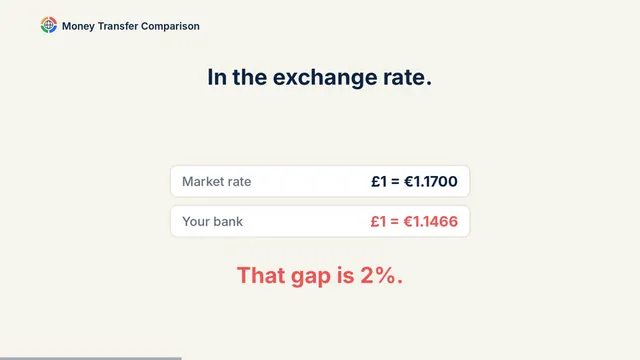 Play video0:30
Watch 0232 seconds
Why isn’t the Google rate the rate I get?
The rate you see in a search result is a reference point. The quote you can actually use may be different.
Exchange rates explained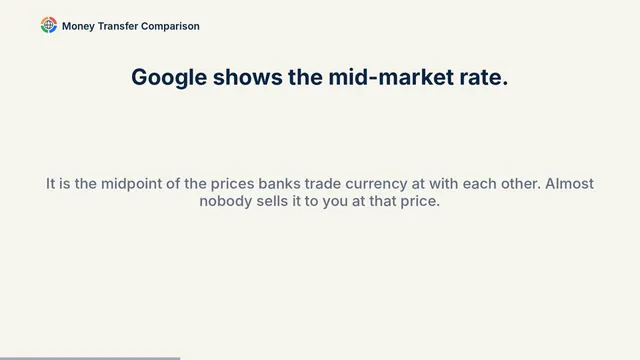 Play video0:32
Watch 0334 seconds
Should I wait for a better exchange rate?
A payment deadline and an uncertain exchange rate are two different things to plan for.
Exchange rates explained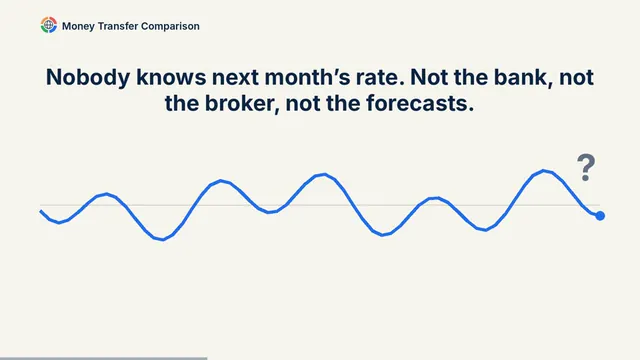 Play video0:34
Watch 0432 seconds
App, specialist or broker: which one for your amount?
Explore the differences between an app, your bank and a currency specialist before choosing a service.
Comparing currency brokers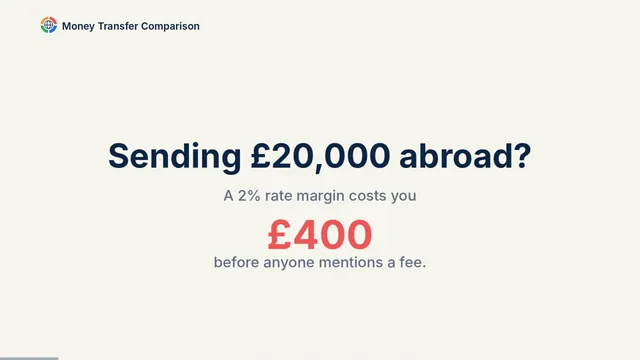 Play video0:32
03 Business invoices
Confirm how much the supplier will receive.
Your records may show the money leaving. Your supplier is checking the amount that arrived. Agree the invoice currency, payment reference and who is responsible for charges before sending.
- Confirm the recipient details independently.
- Ask whether any intermediary fees could apply.
- Check the expected arrival time against the invoice deadline.
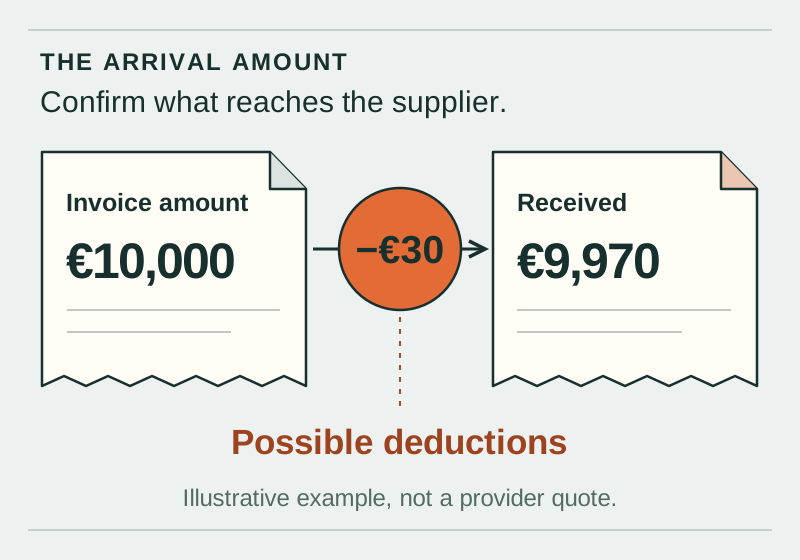
This illustrative €30 deduction leaves the invoice short. Ask about possible charges and the amount expected to arrive.
Watch 0132 seconds
How do I compare two quotes properly?
Compare the same currencies, amount and timing. Then check what the recipient will actually get.
International bank transfer fees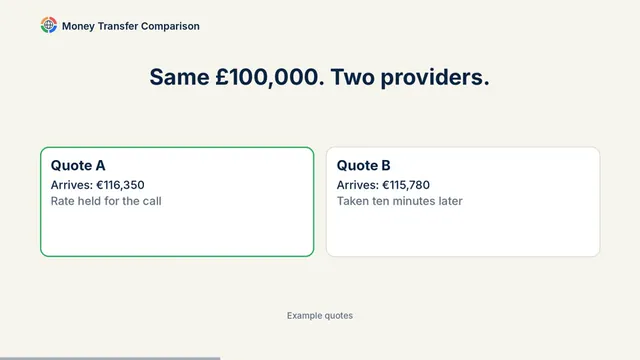 Play video0:32
Watch 0232 seconds
Why did less arrive than I sent?
If a payment passes through other banks, deductions can affect the amount that arrives.
Intermediary and beneficiary bank fees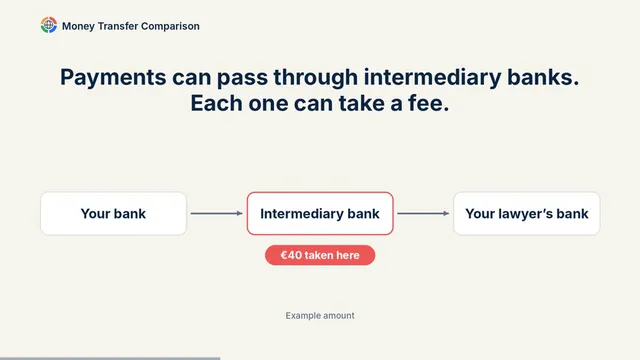 Play video0:32
Watch 0332 seconds
Local bank account or multi-currency account?
Understand the role of local and multi-currency accounts when money comes in and goes out in different currencies.
Multi-currency accounts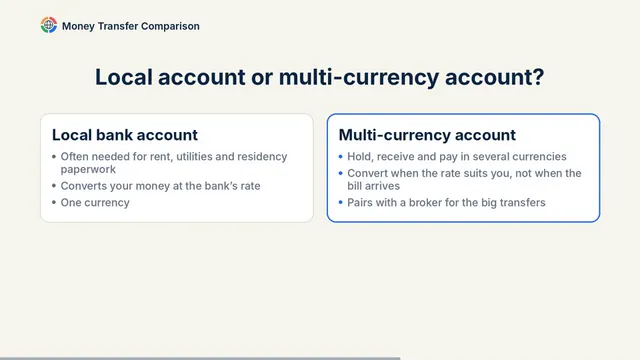 Play video0:32
Watch 0436 seconds
What happens on your first call with a currency dealer?
Know what information to bring to a conversation about your transfer, and what to ask about the quote.
Documents for identity checks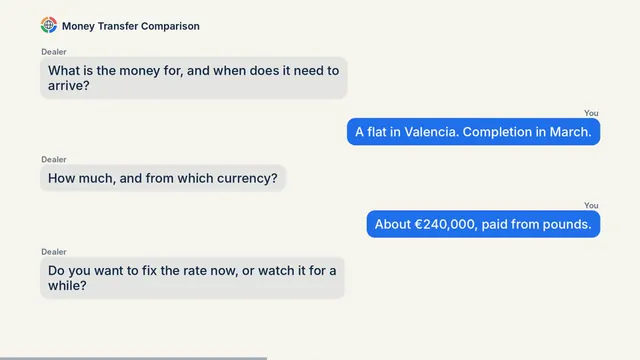 Play video0:36
04 Checks and documents
Get the document checks done before the deadline.
A new recipient, a large payment or a change of bank details deserves attention before the deadline. Ask what documents are needed and verify instructions through a contact you already trust.
Start with the warning signsWatch 0134 seconds
How do I spot a money transfer scam?
A changed bank detail or an urgent request deserves a pause and an independent check.
Bank transfer safety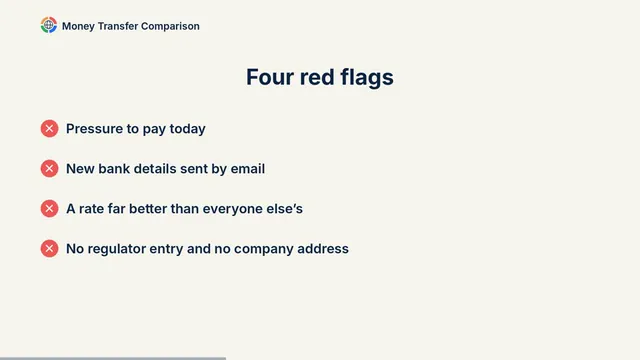 Play video0:34
Watch 0236 seconds
Is my money safe with a money transfer company?
Learn what to check about the provider and how it holds customer money.
FCA authorisation and checks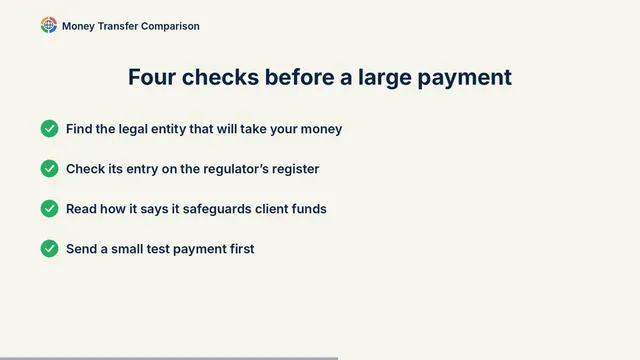 Play video0:36
Watch 0332 seconds
Why did my bank stop my transfer?
Understand why a transfer may be questioned and what information can help explain it.
Bank transfer safety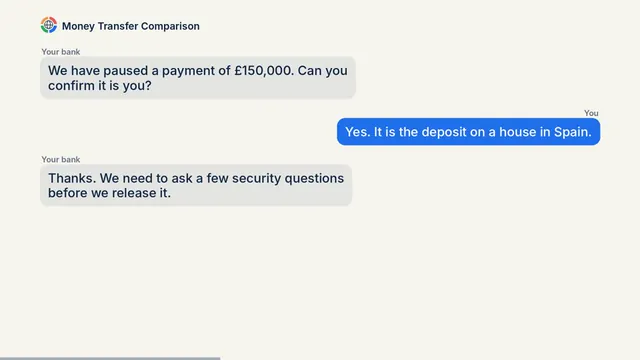 Play video0:32
Watch 0434 seconds
What do I need to declare when moving money abroad?
Keep a clear record of the payment and where the funds came from. Requirements depend on your circumstances.
Documents for identity checks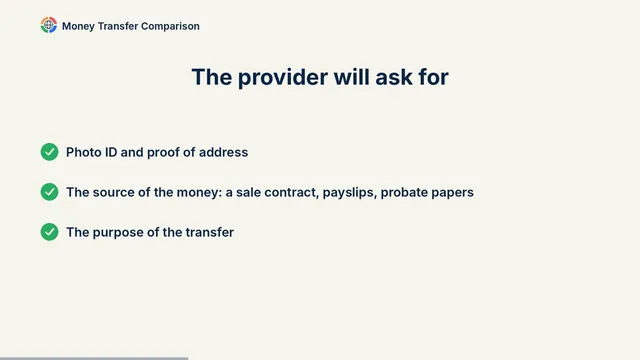 Play video0:34
05 Regular income and bills
The euro bill stays the same. The sterling cost can change.
A pension arriving in pounds does not automatically line up with a mortgage collected in euros. Track the two dates, the amount due and the conversion costs as part of the monthly budget.
- Match income dates to bill collection dates.
- List the regular payments in each currency.
- Revisit the budget when rates or fees change.
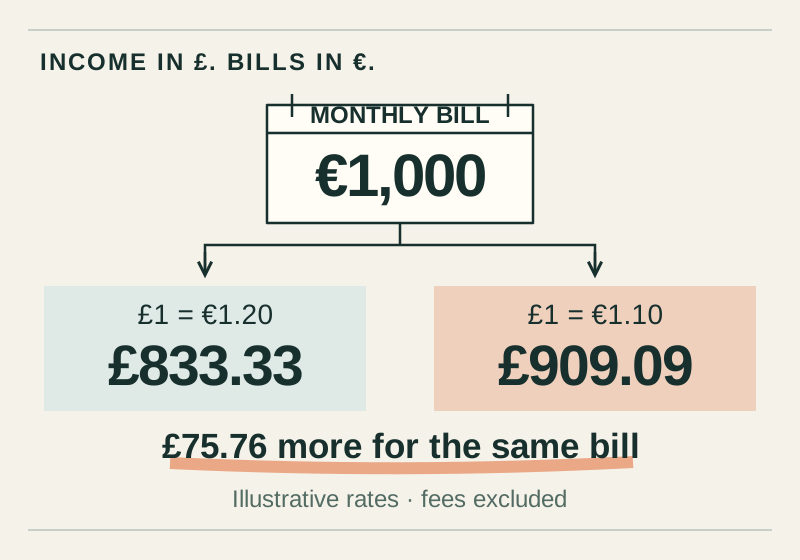
At these fictional rates, £833.33 becomes £909.09. This comparison excludes fees; it shows why a fixed euro bill can need a different sterling budget.
Watch 0132 seconds
Paid in pounds, living in euros: what does it cost?
When your income and spending use different currencies, each payday becomes part of the plan.
Multi-currency accounts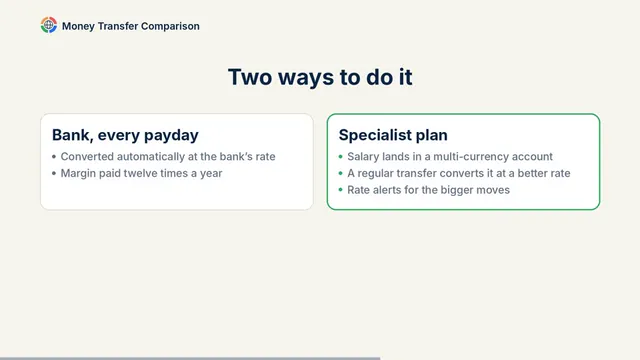 Play video0:32
Watch 0236 seconds
How do I receive my UK pension in Spain, Portugal or Cyprus?
Consider the payment schedule, conversion costs and amount arriving in your everyday account.
Transferring a pension abroad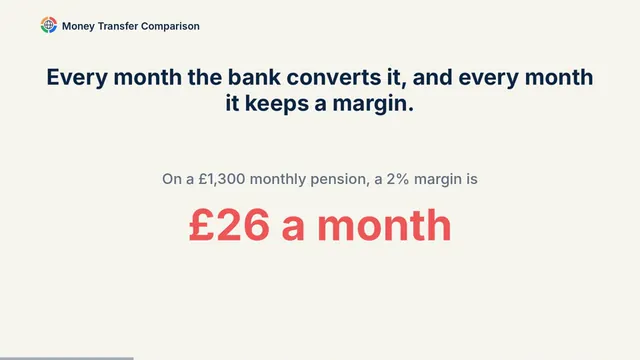 Play video0:36
Watch 0334 seconds
How do I pay a euro mortgage from a pound income?
A mortgage payment in euros can cost a different amount in pounds from one month to the next.
Multi-currency accounts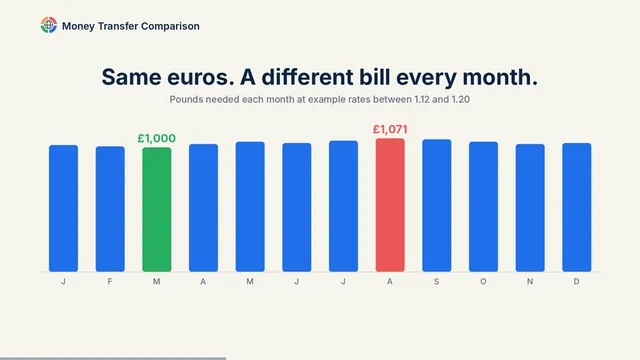 Play video0:34
Watch 0432 seconds
How do I bring rental income home?
Think about when to convert rental income, the costs involved and how often you need it at home.
Multi-currency accounts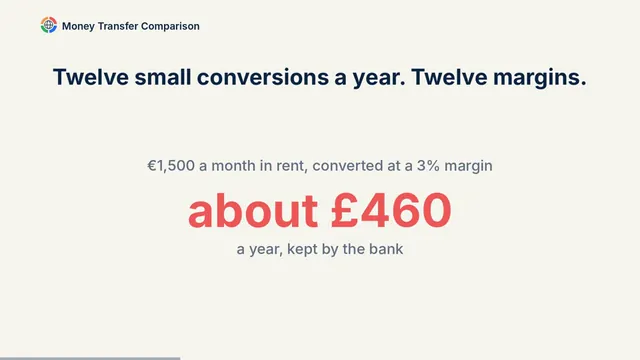 Play video0:32
Put the answers to work
Now compare the payment you actually need to make.
Tell each provider the same amount, currency and arrival deadline. Compare the total cost, the amount received and the support available if something needs checking.
Check the detail
Sources and examples
The diagrams on this page are illustrative examples. The monthly-budget example uses fictional exchange rates and excludes fees. Individual requirements vary by country, provider and payment.
Sources behind these checks Reviewed 20 October 2026
- GOV.UK: buying property abroadCosts beyond the asking price and the effect of currency movements.
- HMRC: customer due diligenceIdentity checks and risk-based enquiries into the source of funds.
- Take Five: invoice and mandate scamsChecking changed payment details directly through a trusted contact.
- Bank of Italy: remittance costsTransfer fees, exchange rates and receiving charges when comparing what arrives.
- GOV.UK: State Pension abroadAccount choices, payment schedules and conversion into local currency.
- FCA: using payment service providersHow non-bank payment protections differ from bank deposits; safeguarding is not FSCS protection against a payment firm's failure.